
Why Did Hanfu in the Tang Dynasty Have Such Bright Colors?
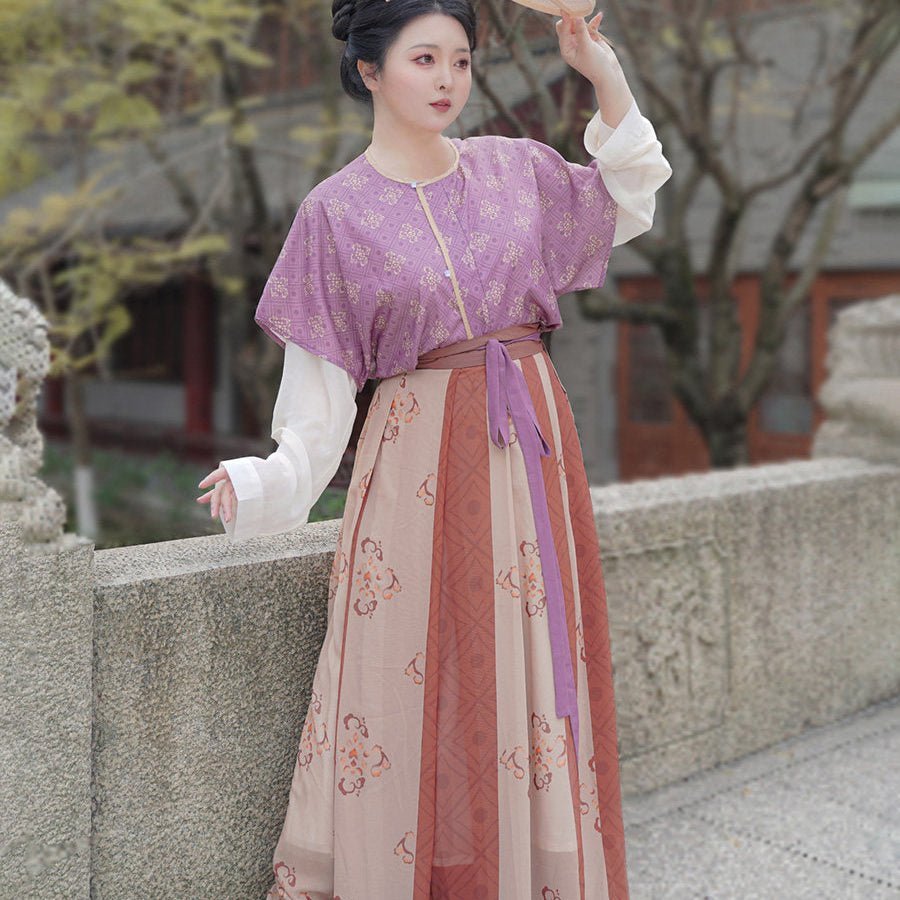
When we think of Tang Dynasty Hanfu, what immediately comes to mind are rich, vivid hues—bright red, golden yellow, vivid purple, and emerald green. Unlike the more understated styles of other dynasties, the bold colors of Tang clothing were not just a matter of aesthetic taste. They were made possible by advanced craftsmanship, a prosperous society, and the unique confidence of a golden age.
1. Advanced Dyeing and Textile Techniques
The Tang Dynasty boasted unprecedented development in dyeing technology. Both plant dyes and mineral pigments were widely used:Safflower and madder for bright red, pagoda bud and amur cork for yellow, indigo for deep blue, and gromwell for purple.Official dyeing institutions mastered sophisticated techniques including mordant dyeing, multiple dyeing, and color overlapping, producing high-saturation, fade-resistant colors.
Coupled with luxurious silk fabrics—such as Shu brocade and Wu ling gauze—textiles naturally held luster and brightness, making vivid colors widely accessible beyond the imperial court.

2. Open Social Culture and Bold Aesthetics
The Tang was an era of extraordinary openness. The Silk Road brought constant cultural exchange, integrating Hu styles, music, and fashion into daily life. With relatively high social status, women enjoyed greater freedom in dress and appearance. Bold color combinations—once considered striking even today—became mainstream. Bright, lively colors matched the flourishing, optimistic spirit of the golden age, making vivid attire a symbol of confidence and fashion.

3. National Prosperity and Court-Led Fashion
Economic prosperity and strong national power made high-quality dyes and textiles far less scarce.The government also established a strict color system to distinguish social ranks: red and purple for nobles and high officials, green and blue for lower ranks.This made elegant, bright colors a marker of status. Fashion set by the imperial family and nobility quickly spread across society, establishing a nationwide preference for glamorous, colorful clothing.

4. Archaeological and Historical Evidence
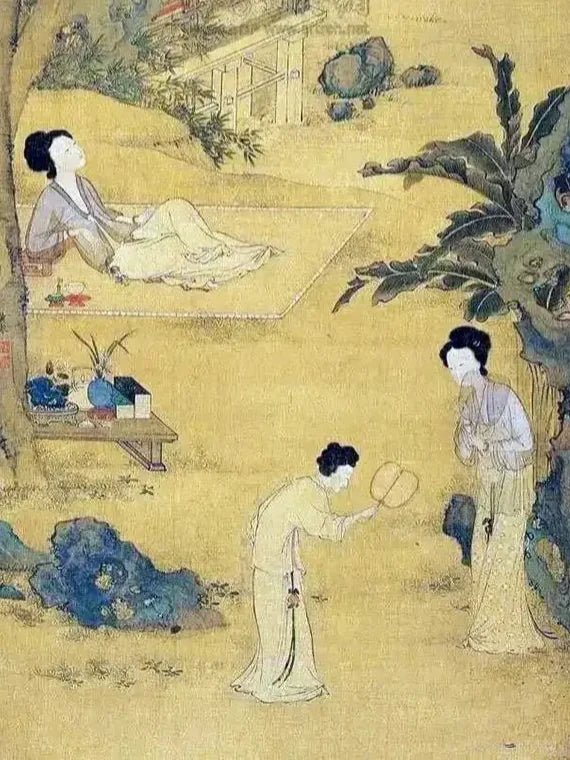
These descriptions are supported by substantial evidence:vividly colored figurines unearthed in Xi’an; brightly robed ladies in Dunhuang murals; and court women in Court Ladies Adorning Themselves with Flowers wearing rich, coordinated tones.Professional records such as Chinese Costume and Makeup further confirm the splendor of Tang fashion.

△ Tang Dynasty Murals from Dunhuang Mogao Grottoes
Why Modern Lovers Love Tang Dynasty Hanfu
Tang Dynasty Hanfu is one of the most popular styles of Hanfu in the world today, and a must-have classic for anyone entering the world of Hanfu.
Its enduring popularity comes not only from its eyecatching, vibrant colors but also from its incredibly flattering silhouettes. Classic styles such as the chesthigh RuQun, waisthigh ruqun, and heziqun are well known for elegantly shaping the body, creating a slimmer appearance and a taller, more proportional look. These styles are flattering for all body types.
Wearing Tang Hanfu gives people a look of dignified elegance, graceful confidence, and radiant charm — combining timeless classical beauty with modern aesthetics. Whether for daily wear, photoshoots, cultural events, or special occasions, it always stands out. That is why it has become an irreplaceable classic among Hanfu lovers worldwide.
The bright colors of Tang Hanfu were the result of mature craftsmanship, cultural openness, and national prosperity.More than just clothing style, they expressed the confidence, inclusiveness, and grandeur of the Tang Dynasty—leaving one of the most brilliant chapters in the history of Chinese clothing.